

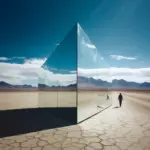




Expressionism: A Journey into Emotional Artistry
Step into the world of Expressionism, where paintings serve as windows to the soul rather than mere reflections of reality. Let’s embark on a captivating exploration of this transformative...


Step into the world of Expressionism, where paintings serve as windows to the soul rather than mere reflections of reality. Let’s embark on a captivating exploration of this transformative artistic movement, delving into its unique characteristics, influential figures, and profound impact on the art world.
Expressionism, born amidst the winds of change in early 20th-century Germany, is a rebellion against the constraints of traditional academic art. Unlike its predecessors, Expressionism seeks not to replicate the external world but to unveil the innermost emotions of the artist. Picture bold strokes, vivid colours, and distorted forms — the hallmarks of Expressionist artistry, each brushstroke a testament to the artist’s raw emotional state.
The term “Expressionism” found its footing in the pages of “Der Sturm,” a ground-breaking magazine that dared to challenge the status quo of artistic norms in 1911. Yet, its roots delve deeper, intertwining with the philosophical musings of Friedrich Nietzsche. Nietzsche’s belief in the inherent chaos within all artistic creations paved the way for a new understanding of Expressionism as a movement that embraces disorder to convey profound emotional truths.
Expressionism thrives on the canvas of societal upheaval, its fervent expressions mirroring the tumultuous times in which it flourishes. It’s not merely about painting a scene but about capturing the essence of human emotion in its purest, unfiltered form. While some may argue that all art is inherently expressive, Expressionism stands as a beacon of emotional communication, resonating with audiences on a visceral level.
Enter the visionaries of Expressionism, artists like Kandinsky, who reshaped the artistic landscape with their radical departure from representational art. Abstract Expressionism emerged as a transformative force, pushing the boundaries of artistic expression beyond recognizable forms and into the realm of pure emotion.
At the helm of this artistic revolution stands Antonín Matějček, the pioneering art historian who coined the term “Expressionism” as a counterpoint to the Impressionist movement. Though no formal group of “Expressionists” existed, the movement found its home in the hearts and minds of German and Austrian artists, each contributing their unique perspective to the evolving tapestry of Expressionist art.
Drawing inspiration from movements like Fauvism, Expressionism embraces primitive forms and vibrant colors to convey a raw emotional intensity. The influence of artists like Gauguin and Matisse reverberates through the corridors of Expressionist masterpieces, each brushstroke a testament to the power of emotion over form.
Expressionism transcends the confines of traditional painting, permeating other artistic realms such as sculpture and filmmaking. Its influence echoes through the ages, shaping the very fabric of artistic expression in the 21st century and beyond. What emerges is a comprehensive tapestry of emotion, woven through the threads of Expressionism, captivating audiences and inspiring generations to come.
As we journey through the vivid landscapes of Expressionist art, we witness the transformative power of emotion captured on canvas. It’s more than just art; it’s a testament to the human experience, a reflection of our deepest fears, desires, and aspirations. In a world where chaos reigns supreme, Expressionism stands as a beacon of truth, illuminating the path to self-discovery and emotional liberation.









No Comment! Be the first one.